
Document San Juan Booking Ranges
Digging through older booking files takes a narrower request than a quick web search. Give the county custodian a name, a rough date range, and the exact item you want. That item might be a booking sheet, a release history, a photograph, or a full jail file. State retention rules run from the day a file closes. That detail matters. The arrest date has nothing to do with the retention clock. The web publication date does not either. Nothing in the schedule guarantees a booking photo ever reached the State Archives.
When a range search returns several pages of results, write down the first and last booking dates. Also record the time of the search and every booking number that matters. Subject numbers tie one person's records together. A multiple-bookings marker warns you against counting each row as a separate person. Charge rows are their own unit. So a solid weekly summary says plainly whether it counts bookings, people, or charges.
San Juan Multi-Day Arrest Log
San Juan County publishes no official three-day, seven-day, or weekly blotter. The Adult Detention Center Detainee Inquiry builds the multi-day view instead. Enter a span in the Booking From Date and Booking To Date fields. What comes back is a set of jail booking records. That is not a newspaper log. Nor is it a county crime statistic.
A wider date range can surface a booking you missed in a single check. It can also catch a weekend span. Someone released before the period ended can appear. The county says nothing about how far the public interface reaches. It says nothing about when older entries roll off. It also stays silent on whether every historical photo remains viewable. So keep your chosen dates and search time as part of your own record.
Read San Juan Booking Ranges
A reproducible range search beats scrolling commercial arrest cards. Set exact start and end dates first, then save every query detail.
- Open the county ADC inquiry and enter the first and last booking dates.
- Leave In Custody blank when the range should include releases.
- Review every page rather than relying on the first result screen.
- Use booking number and subject number to identify repeated entries.
- Open each relevant detail and separate the current booking from older history.
- Record the date and time of the search because the interface is dynamic.
Long ranges can return many result pages, so narrow by name or booking number when you are tracing one arrest record. For a single day only, the Daily Arrest Report fits better than a week-long view. The ADC's official search form displays the multi-day range controls.
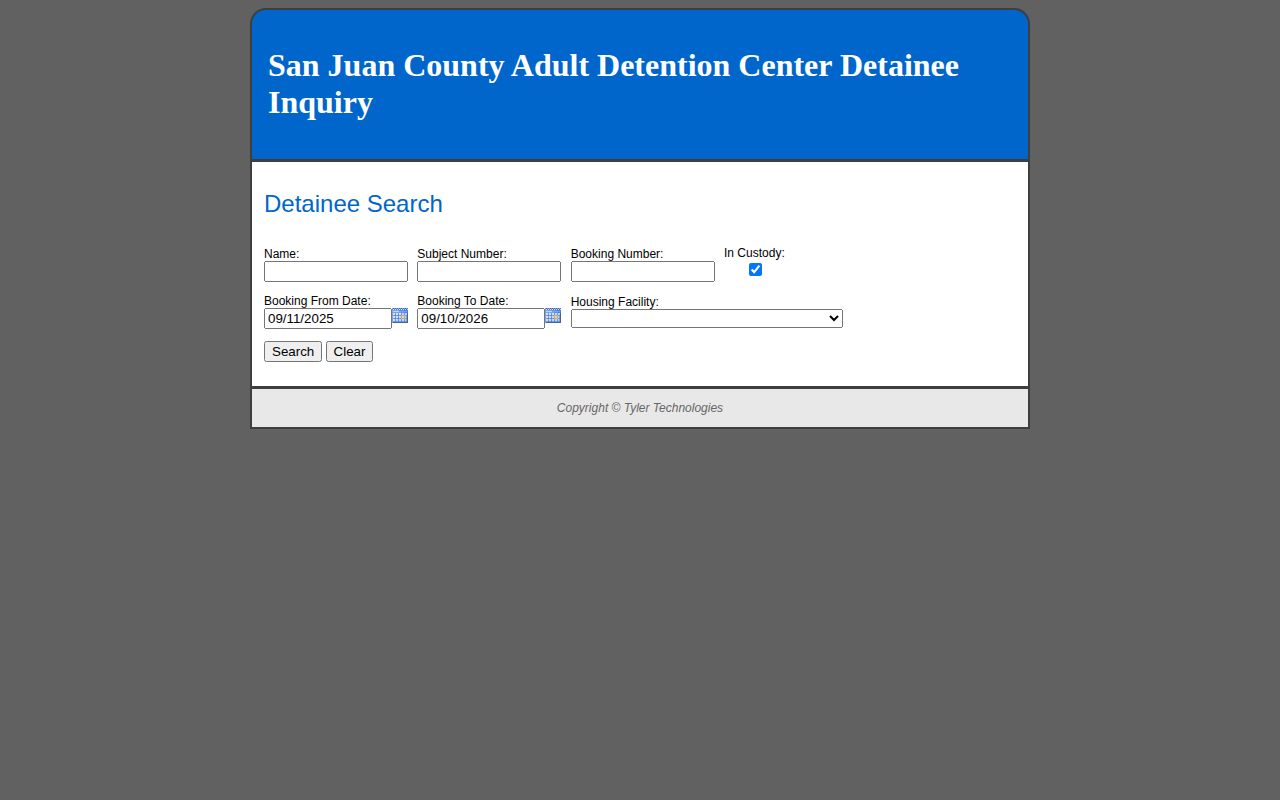
The form supports deliberate date filtering but does not promise a continuous published blotter.
San Juan Arrest Log Fields
The results list gives a summary of each booking, while the detail page holds the fuller jail history. Read every field by its label. Blank or scheduled values need careful handling.
| Log element | Proper interpretation |
|---|---|
| Name, date of birth, demographics | Identity aids that should be matched cautiously. |
| Booking and subject numbers | Keys for separating events and duplicate-looking results. |
| In-custody indicator | Status at viewing time, not the outcome of the case. |
| Scheduled and actual release | Different concepts; a scheduled date may change. |
| Housing facility | The listed jail location or program, not a sentence. |
| Arresting agency and charges | Agency attribution and charges recorded at intake. |
| Bond or bail | Jail-system amounts that may be revised by a court. |
| Docket and disposition fields | Clues for later court research, not guaranteed final data. |
A detail record may also show photo capture times, offense dates, crime class, sentence data, and an attempt-or-commit flag. Rows are not always complete. The roster mixes current and past detainees, so an old release does not signal a new arrest.
San Juan Weekend Arrest Records
A Friday-through-Monday range suits weekend research well. San Juan County posts no weekend surge rule and no holiday schedule. A quiet first result does not mean intake stopped. Jail processing and public display can happen at different times. The interface stamps no publication time on any row.
After the period ends, run the same range again. Leave In Custody blank if short stays matter to you. Compare booking numbers rather than counting names. One person can carry multiple bookings. The sheriff's media releases may cover a major weekend event. Those releases are selective, though, and skip most bookings.
Note: No sourced claim supports a fixed weekend surge or delay in San Juan County arrests.
Why Farmington Logs Changed
A 2023 Journal report describes Farmington Police stopping distribution of daily incident logs, arrest registers, and jail in/out reports to local newsrooms. The same article covered the county's online booking search by name, date, and custody status. That story helps explain a simple thing. Readers miss the newspaper-style blotter they remember because it stopped flowing to the press. The article does not fix an archive depth for today's roster, though. It promises no in/out report either. Current research still points to the ADC inquiry and agency records channels. Farmington police records cover city incidents. The ADC booking record spans the whole county. A citation or city case can exist without any county jail booking. The regional news article preserves that historical records-access context.
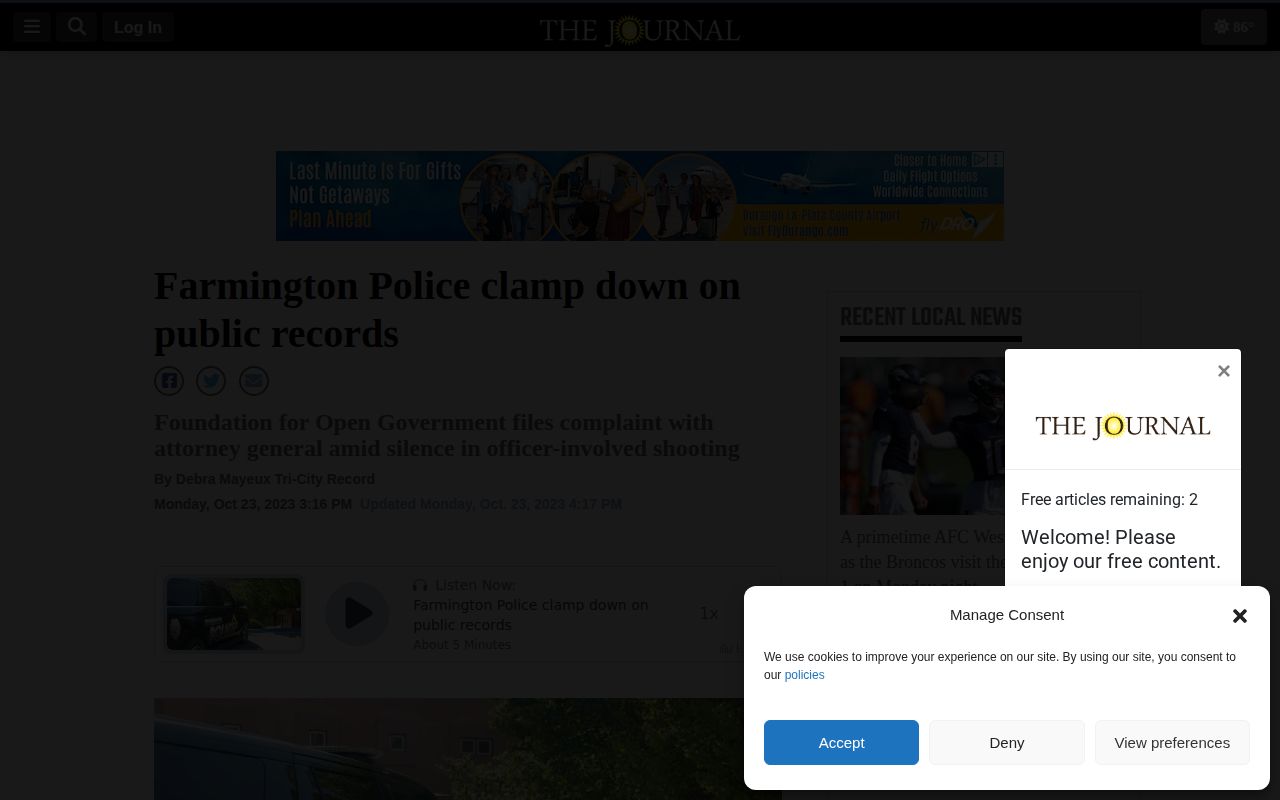
The report is context for a changed practice, not an official current booking feed.
San Juan Arrest News Context
Start with the sheriff's official media-release archive before turning to news coverage. It documents selected investigations, arrests, and fugitive events. It is far from exhaustive. The Tri-City Record keeps rolling local reporting organized in tags, and its stories may cite affidavits, police records, courts, or ADC entries. The Daily Times covers Farmington and San Juan County. These outlets add event detail and can help pin down a date or an agency. Still, they cannot confirm a booking is current. Nor can they prove a charge ended in conviction, and paywalls and publication choices shift over time. A Tri-City Record topic page shows rolling coverage rather than a complete arrest register.
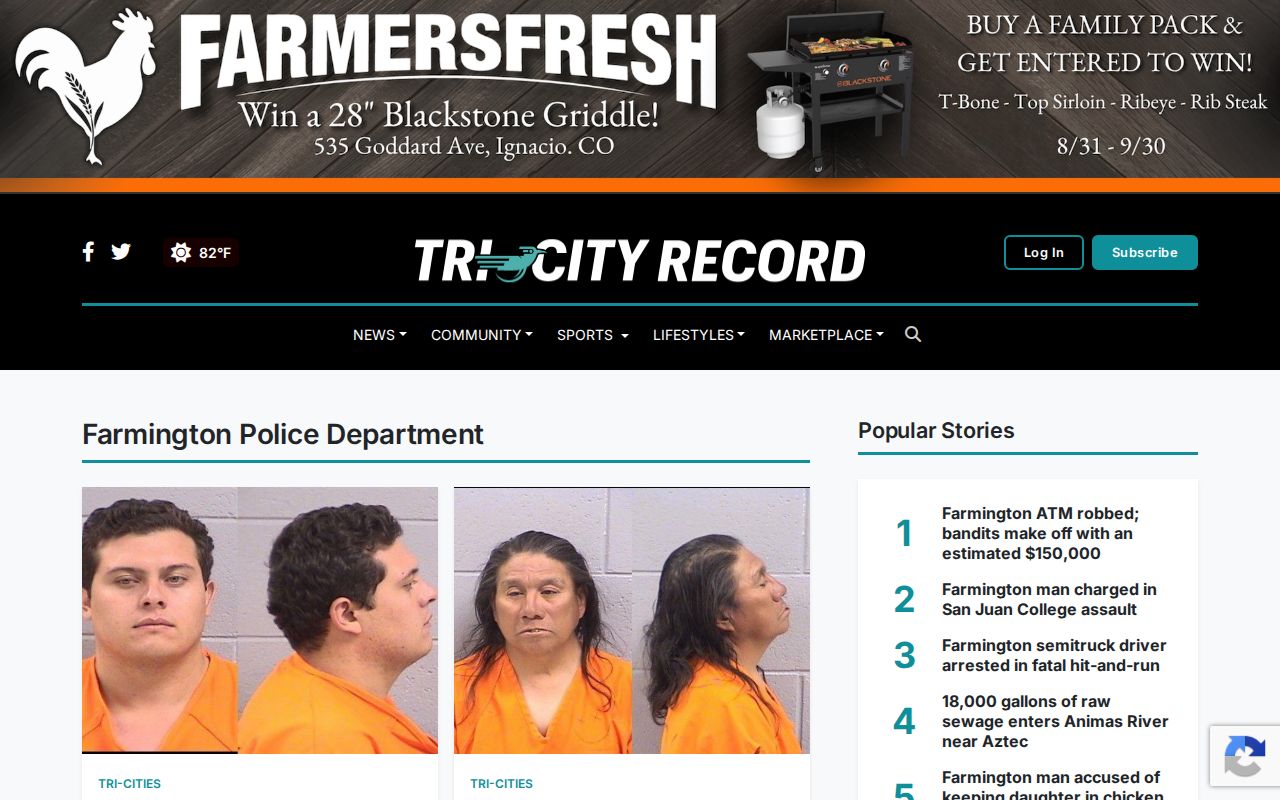
Use stories as leads, then verify names, custody, allegations, and outcomes with official records.
San Juan Booking Archives
The San Juan County ADC form was built for people, not data. There is no API, feed, or download. No refresh interval or archive policy exists either. Anyone tracking the weekly arrest log should simply save the date range and search time. Treat the page as a live lookup, not a permanent feed of booking records.
Older arrests do not vanish on the same schedule. Under New Mexico rule 1.21.2.902 NMAC, jail inmate files are marked for destruction. That happens five years after the file closes. That governs the paper trail. It says nothing about the public roster or how far back booking photos stay online. Retention and web display are two different things.
For older San Juan County material, start with the county custodian. Name what you want: booking sheet, photograph, release history, or full jail file, plus a rough date range. The State Archives helps only if records were transferred there. No ADC photos appear in any public state archive.
San Juan Charges Need Court Review
Booking rows are just a starting point. Charges can be amended, reduced, dismissed, or resolved by plea later. A docket number links the booking to New Mexico Courts. This works when the jail record shows one. The basic court lookup will not return every case document, though.
- Booking
- A jail intake event, which is not the same unit as a person or charge.
- Blotter
- A chronological agency log; San Juan County does not publish a named weekly one.
- Disposition
- The court's outcome, not the initial charge description.
- Retention
- How long an agency keeps a record, distinct from online visibility.
Custody questions have two separate doors. State-prison custody falls to NMCD, while any fresh or past San Juan County booking belongs to the ADC inquiry.